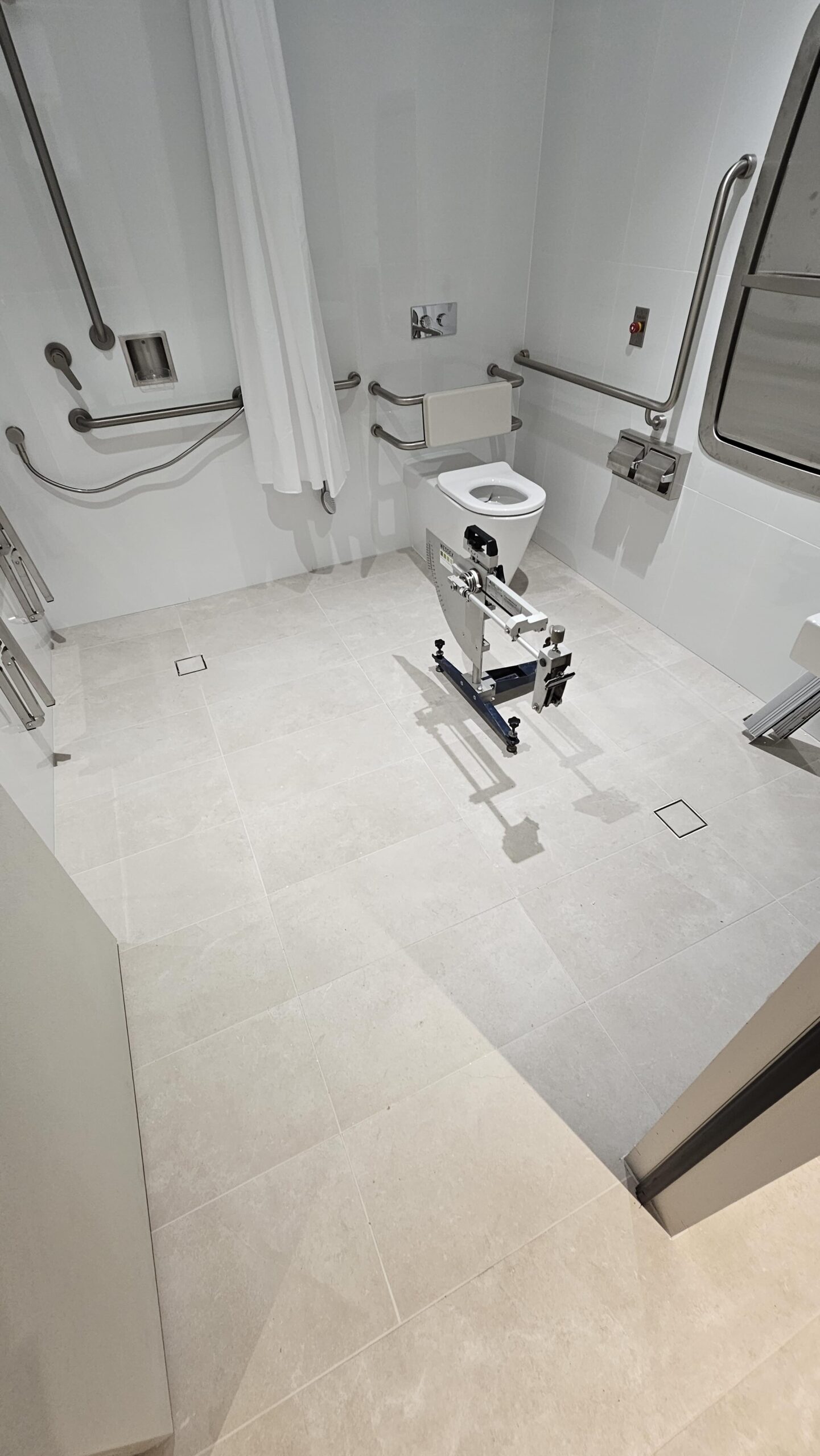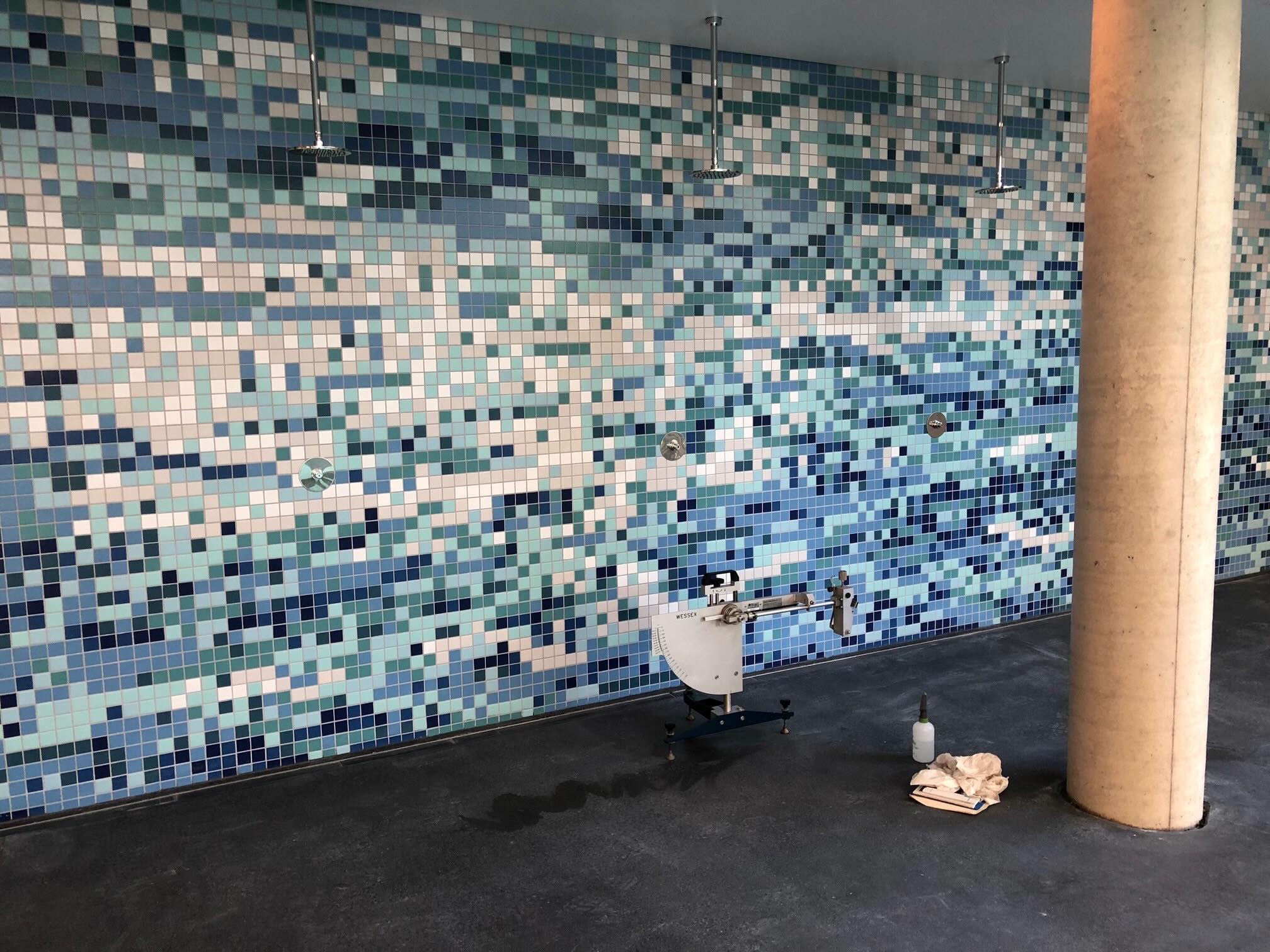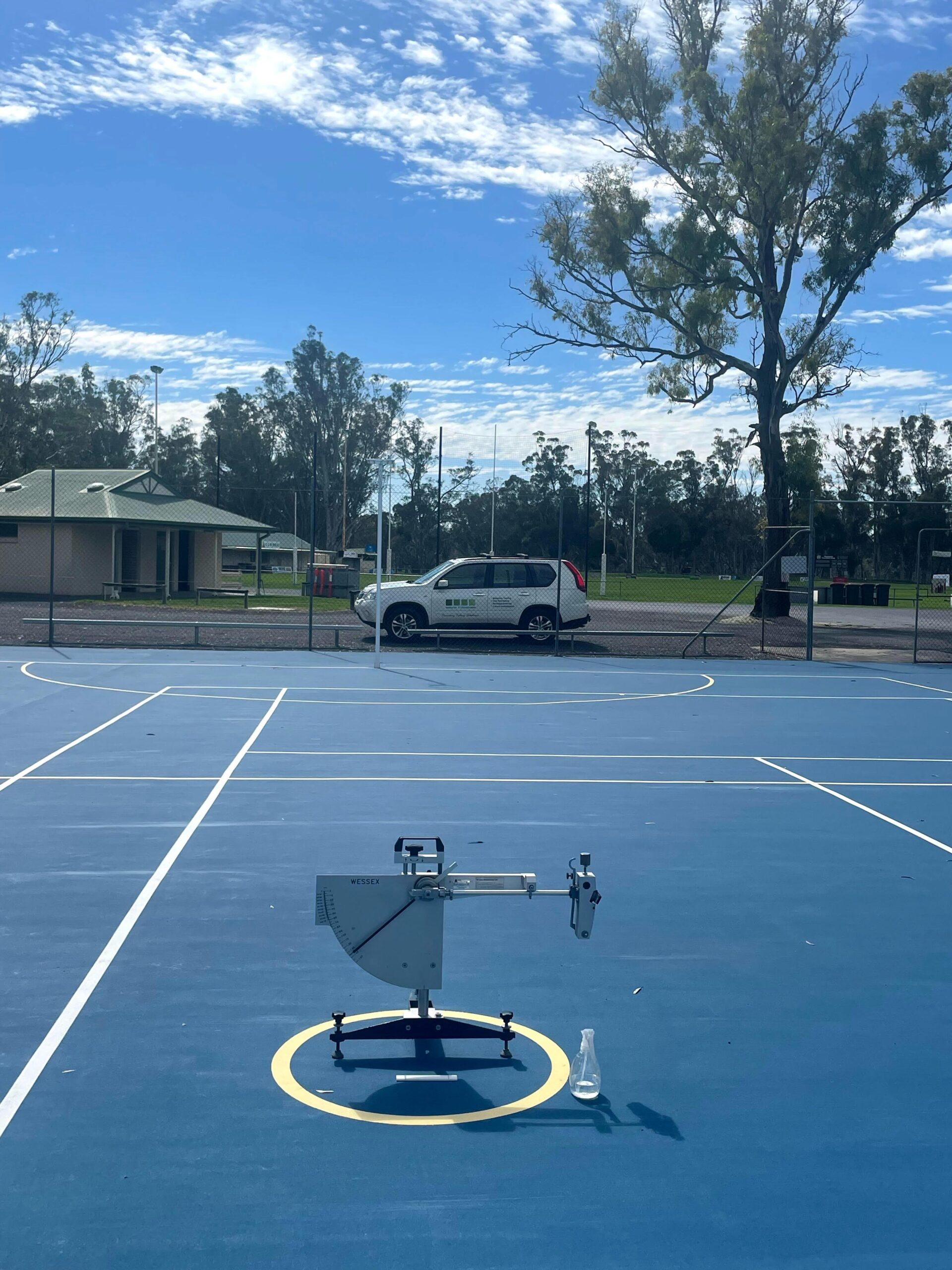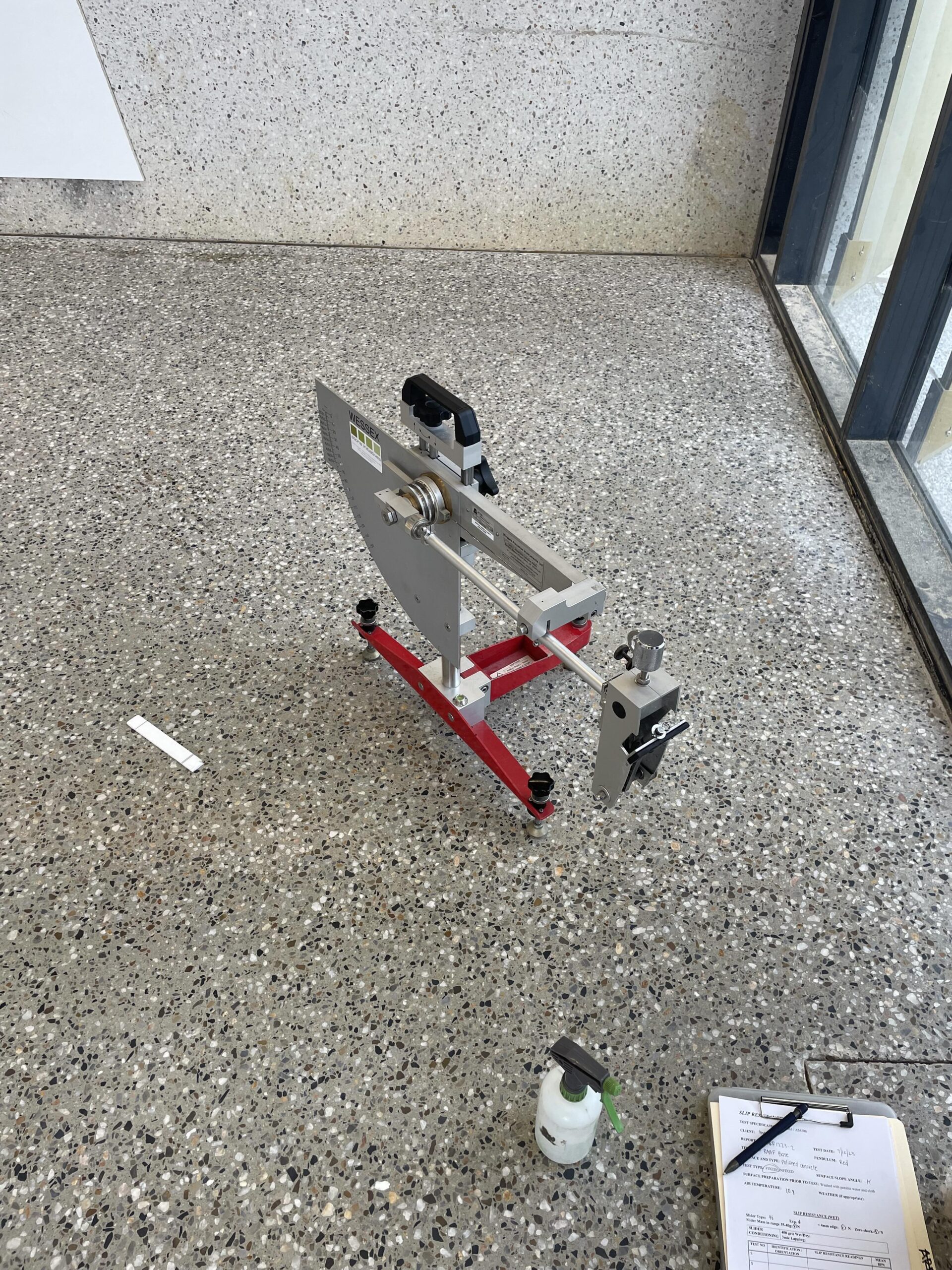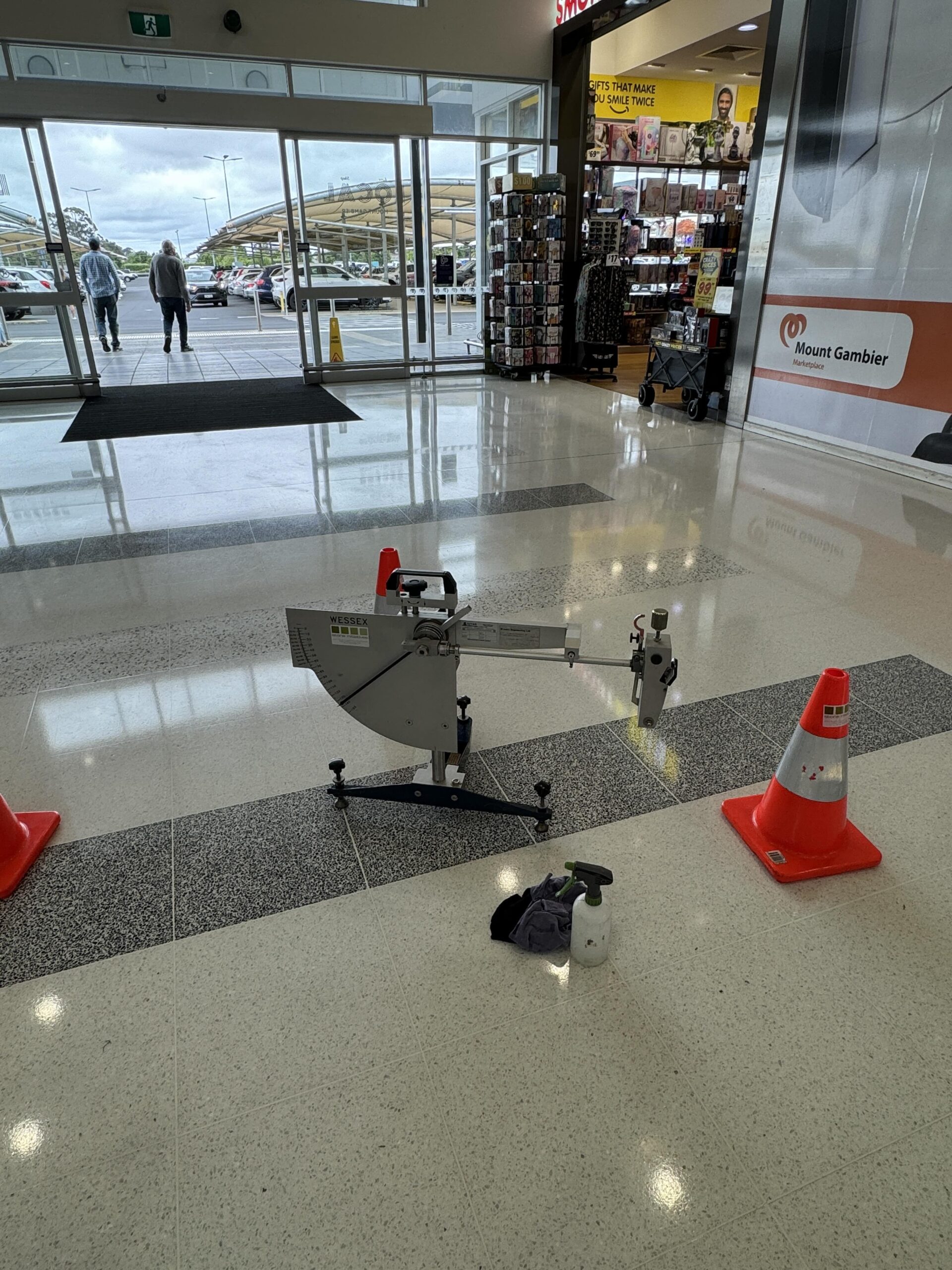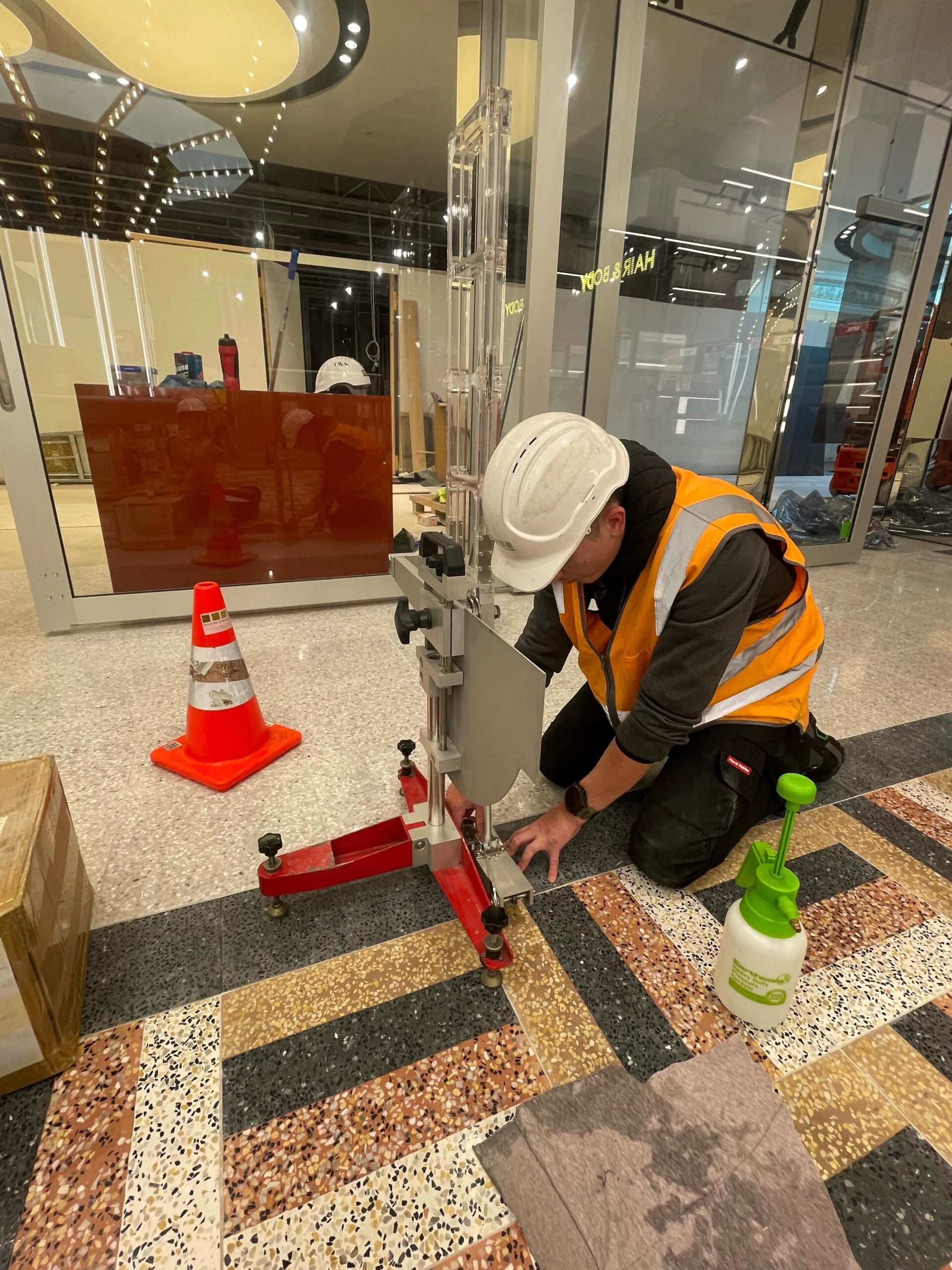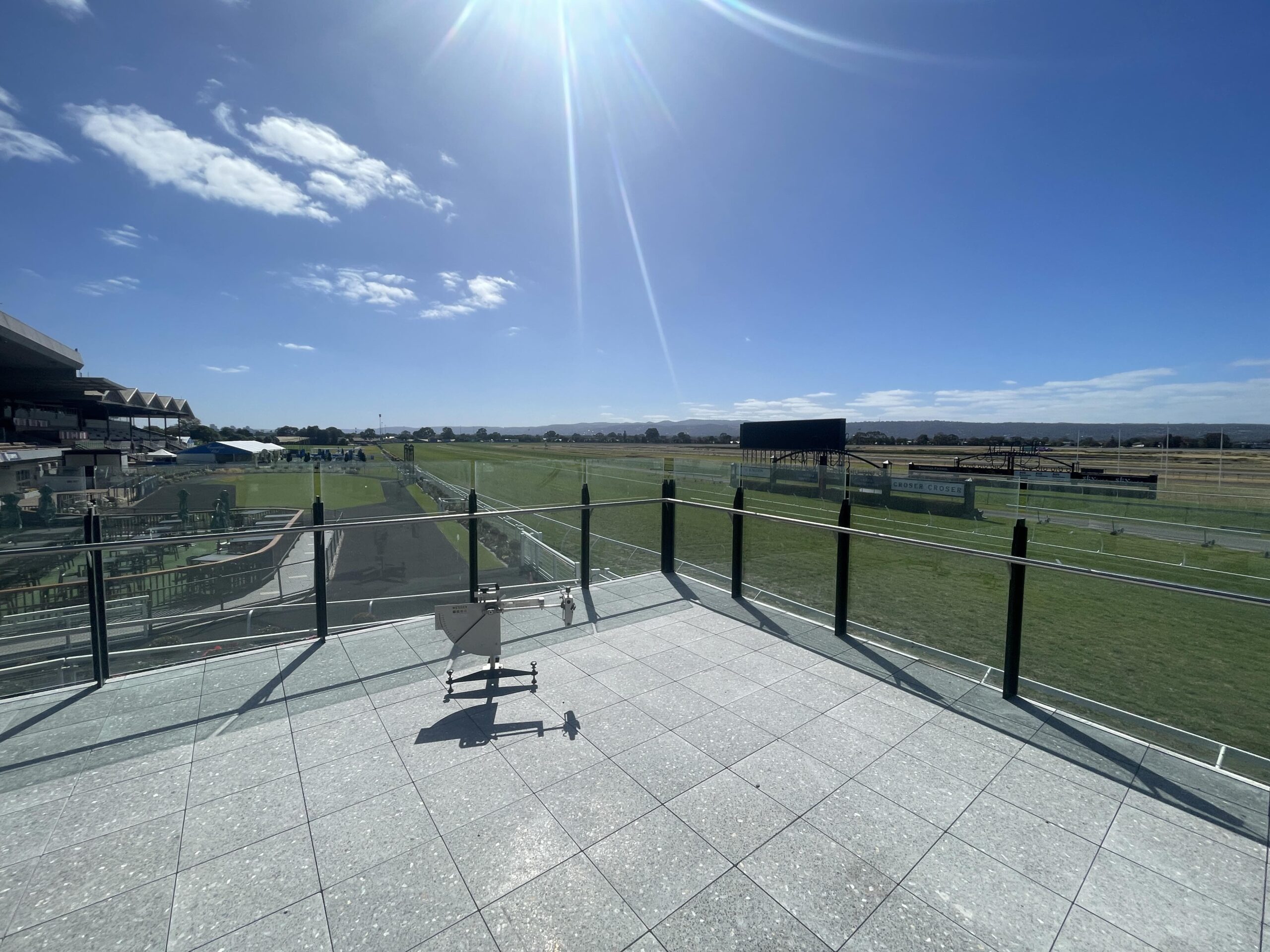
Our NATA-accredited laboratory is run by skilled technicians who help solve problems and minimise the risk of trips and falls in your project. Our Adelaide-based slip testing team is certified to test to AS 4586:2013 (New Pedestrian Surfaces) and AS 4663:2013 (Existing Pedestrian Surfaces). We offer same-day slip testing* for Adelaide projects (we test Australia-wide).

The experienced technicians at Stone Initiatives can help to ensure your surfaces meet the relevant Australian Standards, and determine compliance with relevant requirements of the National Construction Code. We’ve also developed a suite of in-house testing methods to help determine fitness for use.

Our services are fast, efficient and reliable. With more than thirty years of experience in determining slip resistance, we are the only NATA-accredited laboratory in Australia that specialises in dimension stone.

d

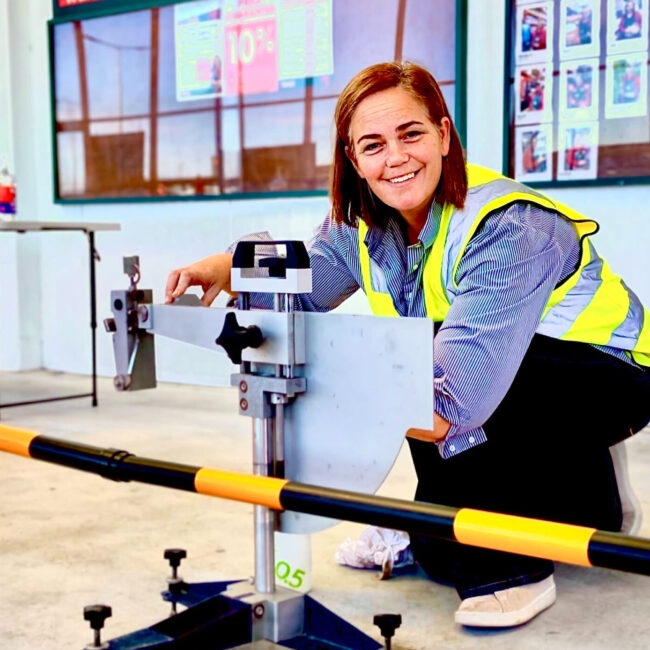
“Complying with slip resistance requirements can be difficult – what works for one location and surface type might not work for another. On top of that, our clients often have the challenge of meeting the project’s aesthetic requirements. In addition to slip testing, we are often called on to utilise our experience and recommend alternative finishes that might achieve the desired aesthetics.” 

 Kate Tonkin
Slip Resistance Specialist

What is slip resistance testing?

Slip resistance testing measures how slippery a pedestrian surface is using Australian Standards to provide consistent, reliable ratings. It helps determine compliance with the National Construction Code, identifies potential slip, trip and fall risks, and supports designers, builders, facilities managers and asset owners in selecting or improving safe flooring surfaces.

Click here to learn more about slip resistance testing

What does slip resistance testing look for and why is it important?

Evaluates surface grip and underfoot performance by measuring friction and texture, assessing slip risk in wet, dry or contaminated conditions, and identifying potential hazards. Confirms flooring is safe, fit for purpose and compliant with Australian Standards and the NCC, while guiding material selection and maintenance to reduce accidents and liability.

When should slip resistance testing be done?

Slip testing frequency depends on the environment, usage and regulatory requirements, as there is no fixed legal timeframe in Australia. Testing is recommended during material and finish selection, after installation, and at regular intervals, as slip resistance can change over time—typically every 6–12 months for public or high-traffic areas.

Common issues slip resistance testing can uncover

Inadequate traction. “Surfaces that are too smooth or worn can be slippery when wet, increasing the risk of slips and falls.”

Non-compliance with standards. Surfaces that don’t meet Australian Standard Guidelines may fail safety or building code requirements.

Things to remember:

Conditions may vary: Test results are specific to the tested surface, conditions, and method. Wetness, contaminants, wear, or surface treatments can change slip resistance over time.

No absolute guarantee: A high slip rating reduces risk but does not eliminate the possibility of slips, trips, or falls.

Maintenance matters: Surfaces must be maintained properly; wear, dirt, algae, or coatings can reduce slip resistance. Intended use only: Testing assesses the surface as-is; results may not apply if the surface is altered or relocated.

Need more information?

SLIP TESTING IN ACTION

Gallery

How is Slip Resistance tested?

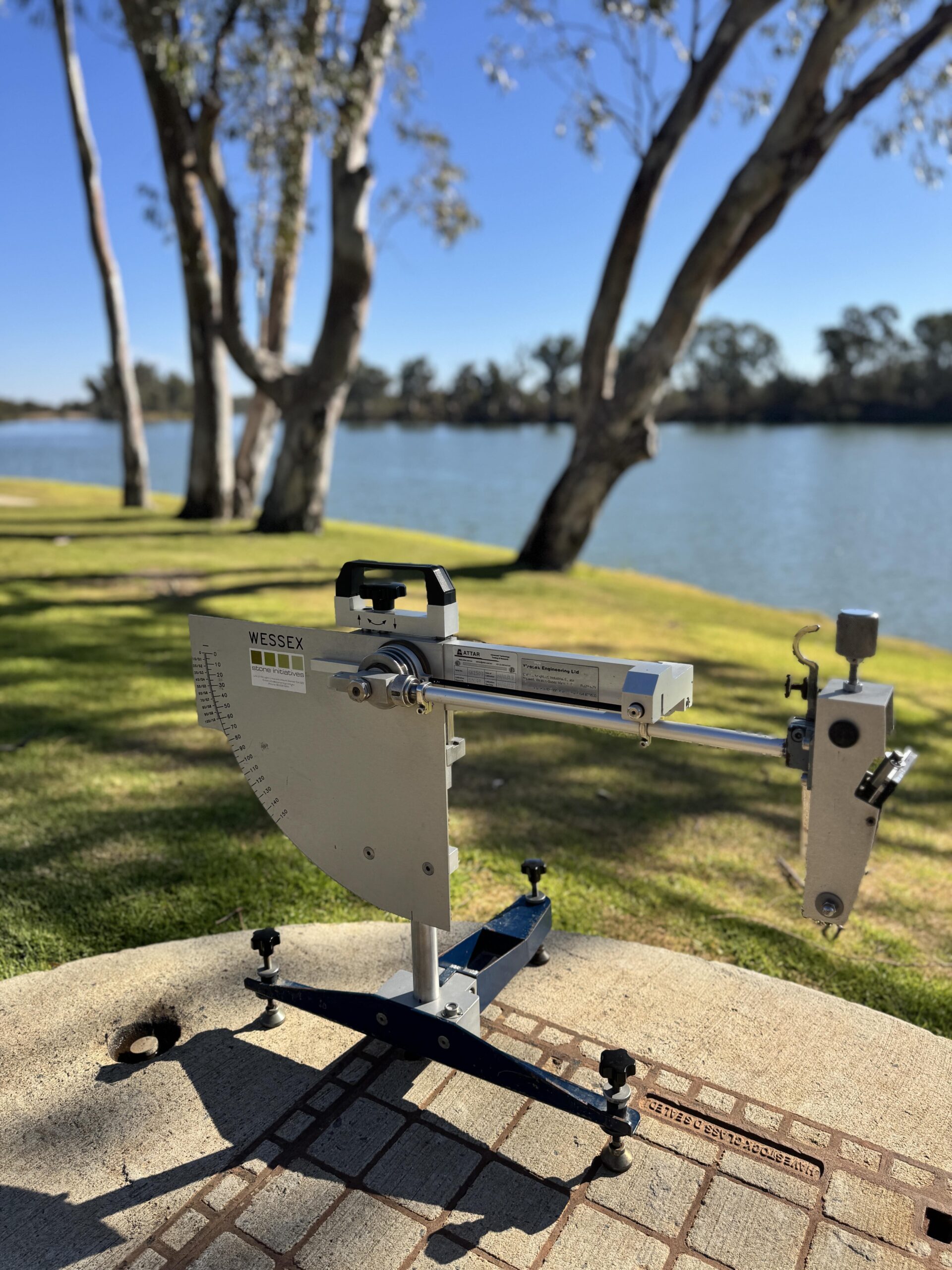
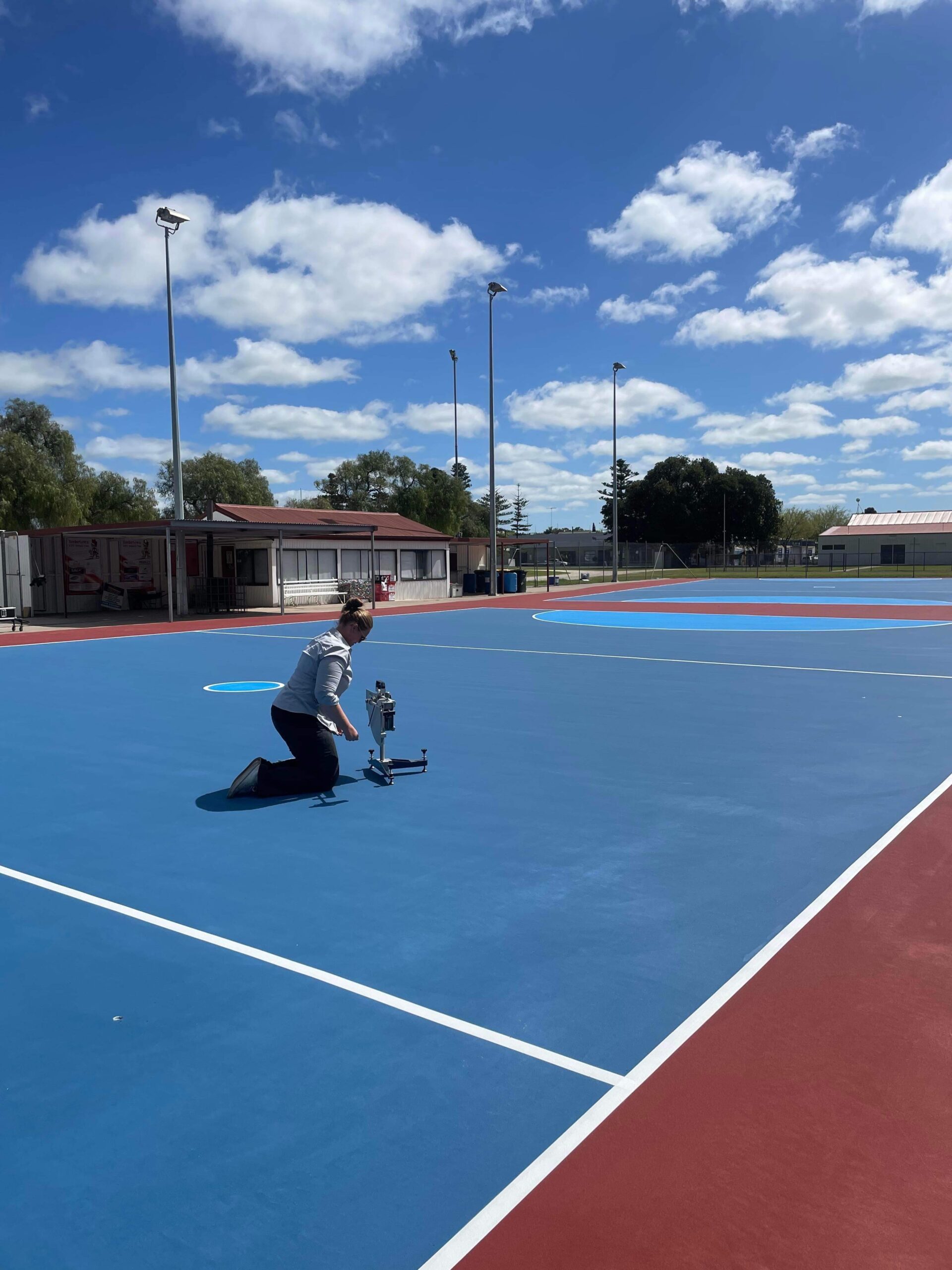
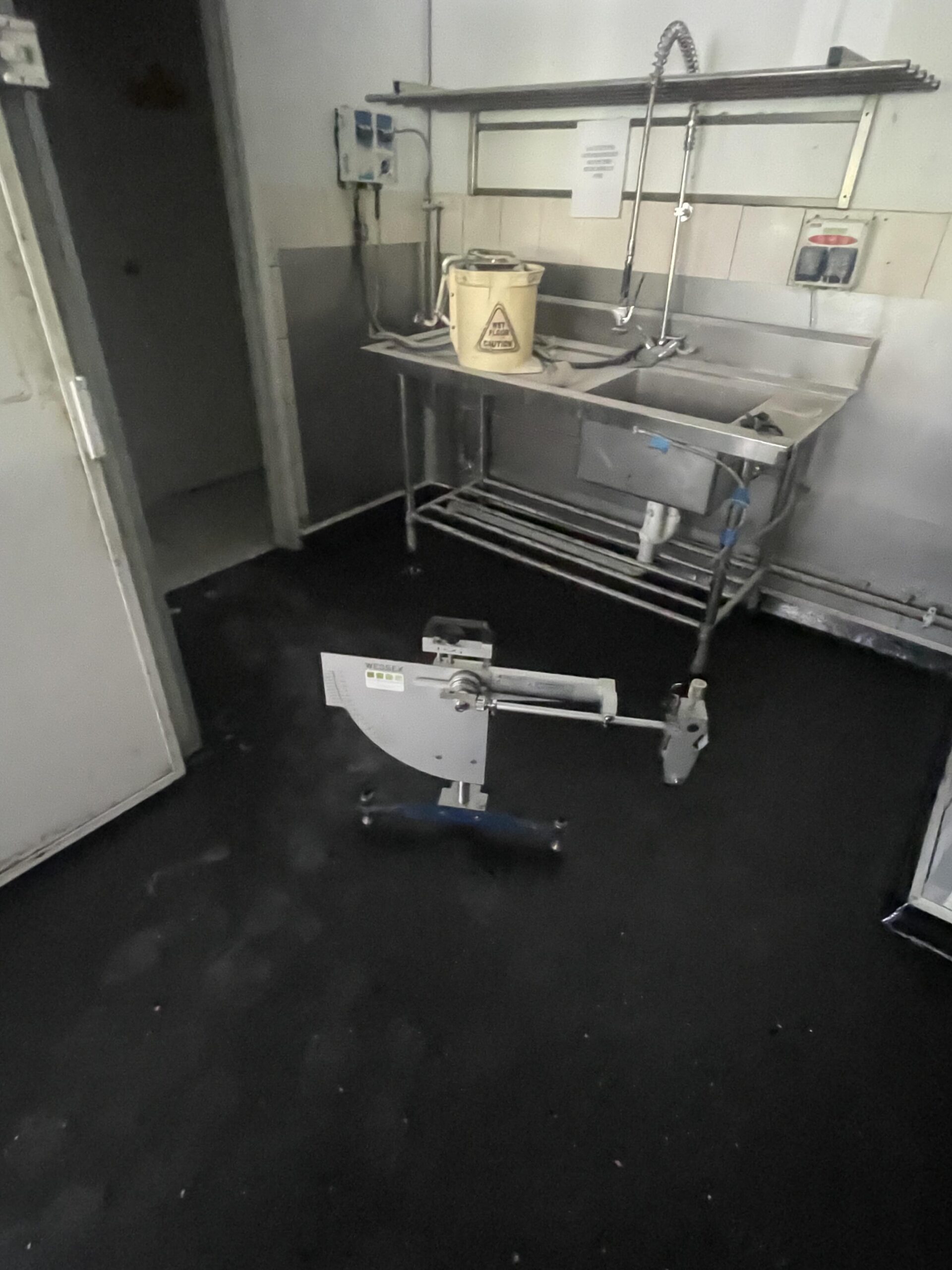
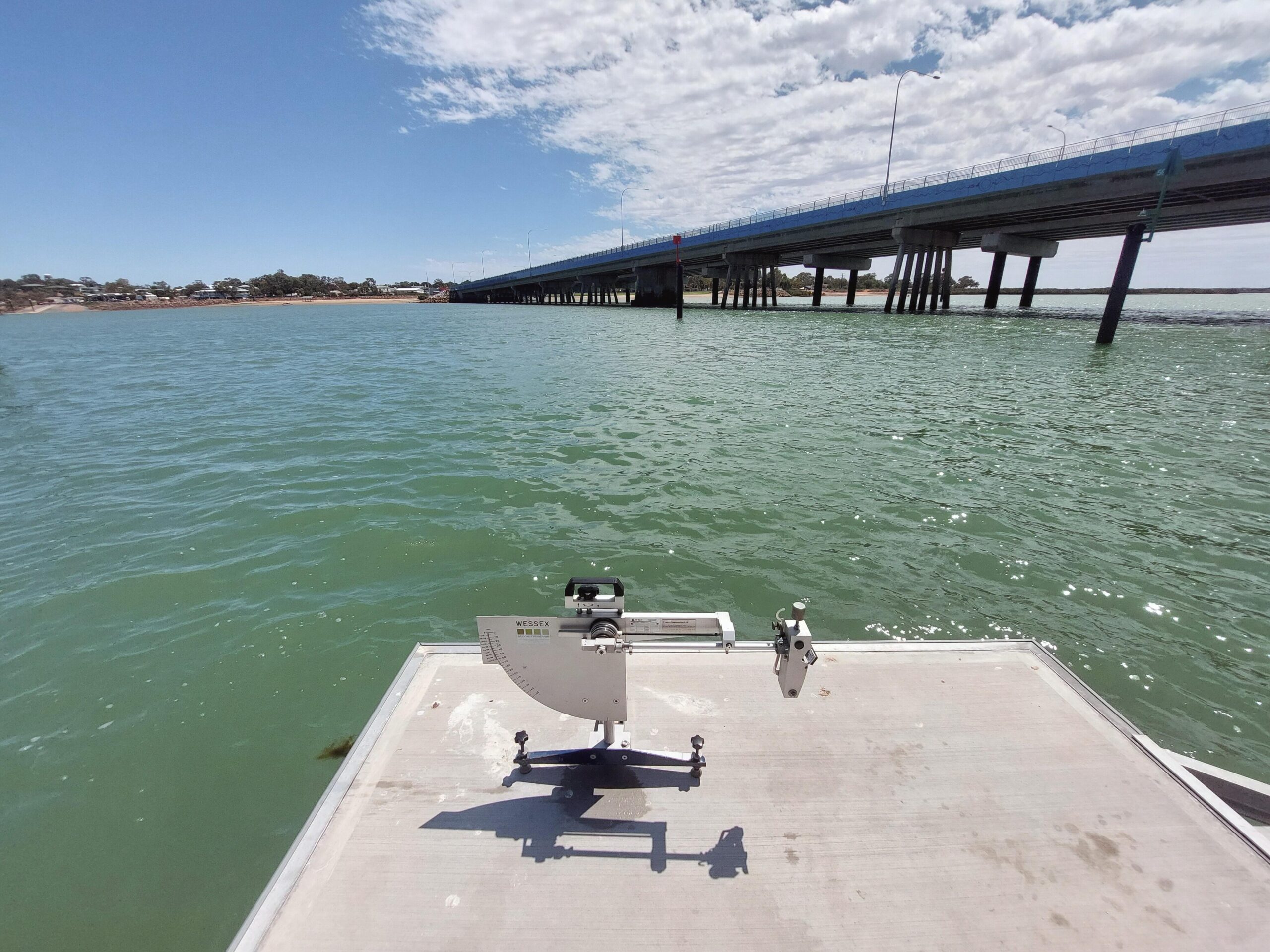
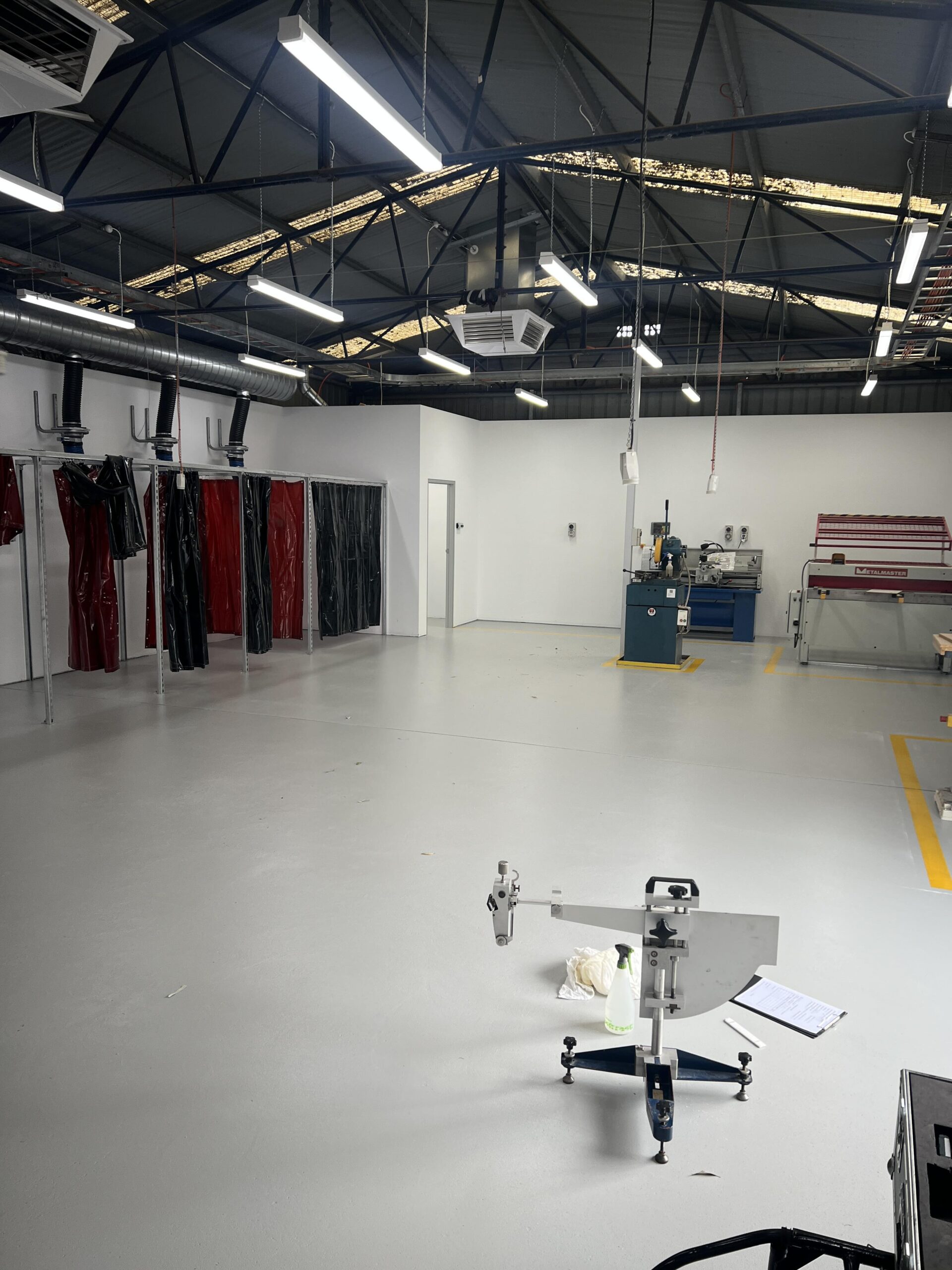
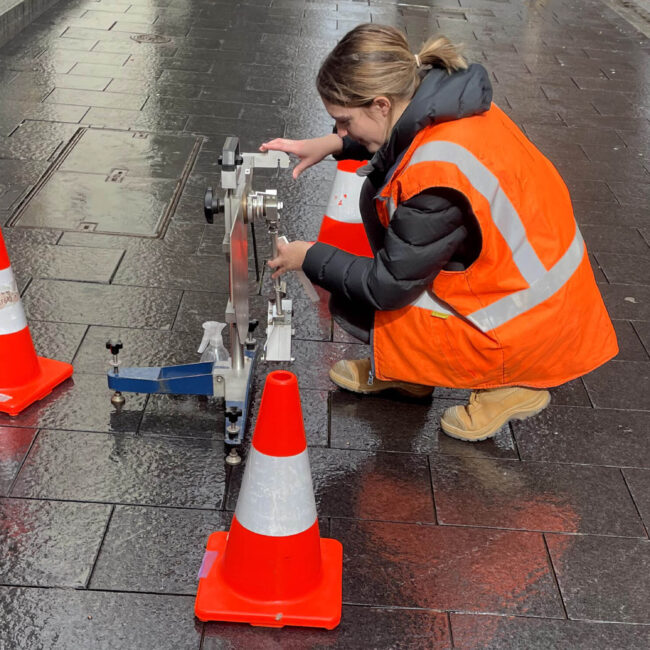
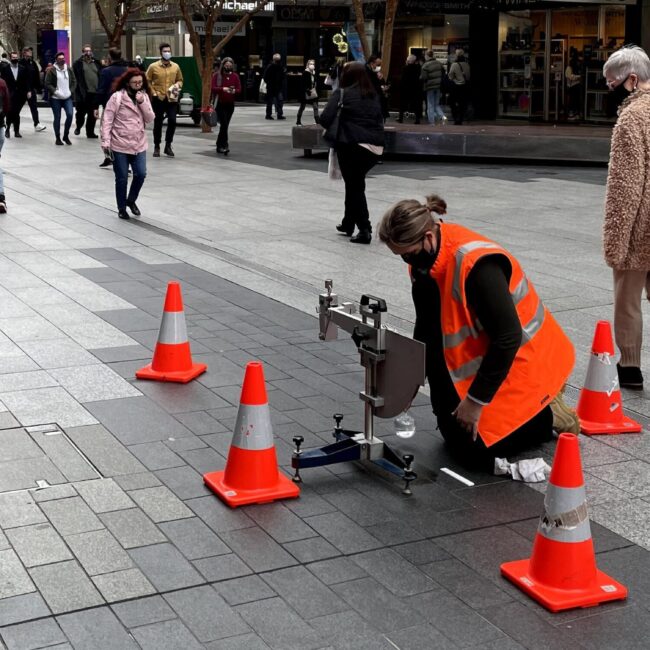
In Australia and New Zealand slip resistance is measured according to two different (but similar) standards, depending on whether the surface is new or existing. New pedestrian surfaces are slip tested in accordance with the current version of AS 4586, while existing pedestrian surface are tested in accordance with AS 4663. Stone Initiatives offers slip resistance testing onsite for already installed surfaces and in lab in our Adelaide-based NATA-accredited laboratory for uninstalled materials using a British Pendulum for Appendix A – Wet Pendulum Test. We also use a Tortus 3 Dry Floor Friction tester for Appendix B – Dry Floor Friction Test.

RELEVANT TEST METHODS

Wet Pendulum – Slip Resistance – AS4586:2013 & AS4663:2013

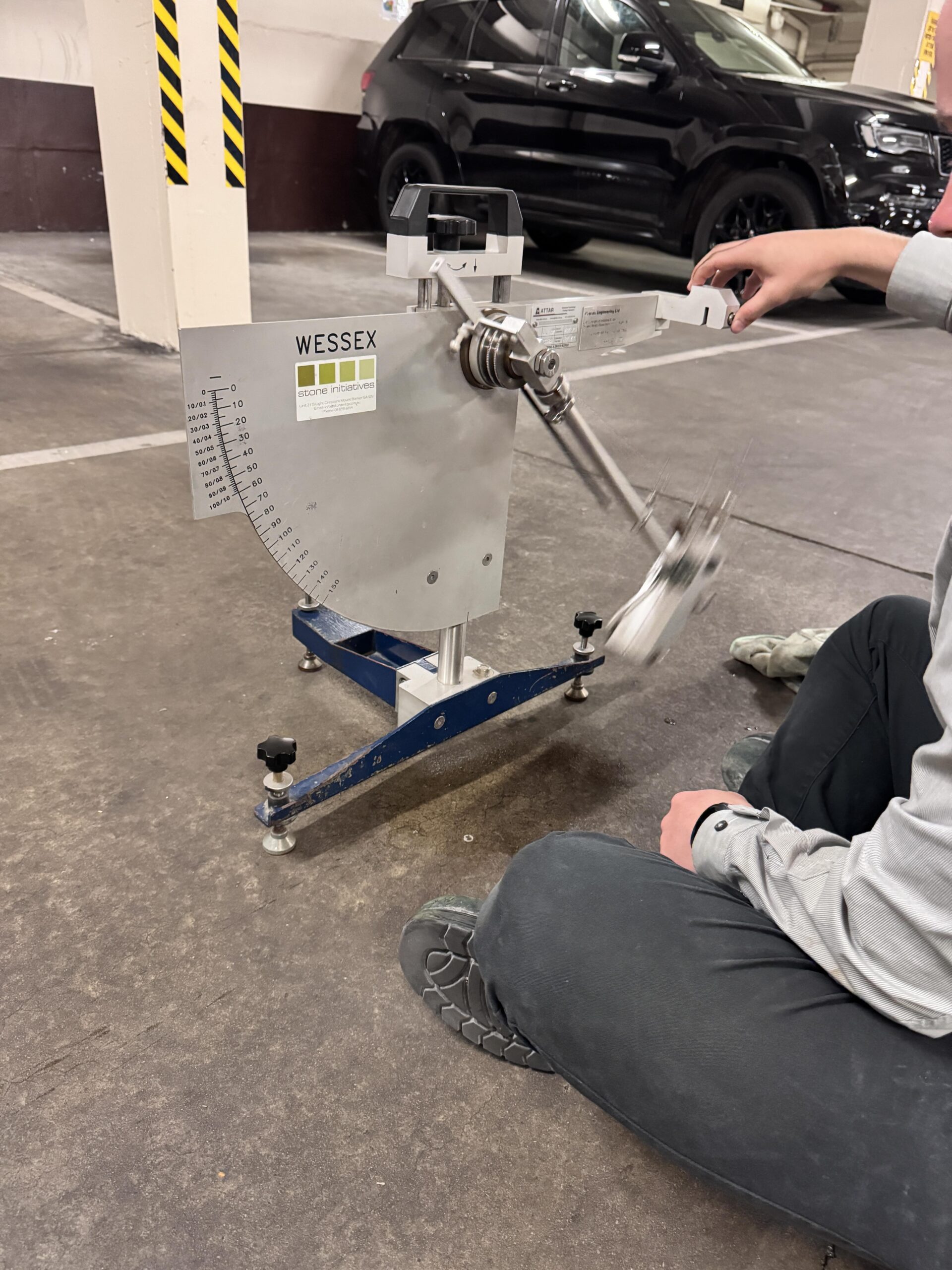
The Wet Pendulum Test simulates a shoe heel contacting a wet surface to assess how likely a surface is to cause slipping when wet — the most common slip hazard, especially outdoors or in areas exposed to water

RELEVANT TEST METHODS

Dry Floor Friction Testing – AS4586:13 & AS4663:2013

Dry Floor Friction testing measures the coefficient of friction (CoF) of a surface when it is clean and dry, i.e., no water or contaminants. It helps assess whether a floor is likely to be slippery under dry conditions.

RELEVANT TEST METHODS

Skid Resistance – DTEI TP345

The TP345 test determines the skid resistance value (SRV) of a paved surface. Essentially the friction available between a vehicle’s tyres and the road surface under wet conditions. The measurement helps assess how likely a vehicle is to skid when braking or cornering, especially in wet weather.

RELEVANT TEST METHODS

Accelerated Wear Testing — SI-AWT-2016

SI-AWT-2016 refers to a specific Accelerated Wear Testing (AWT) method developed (and published in 2016) for assessing how the slip resistance of pedestrian surface materials changes after simulated wear. Especially for stone, tiles and other flooring products.

What surfaces can be tested?

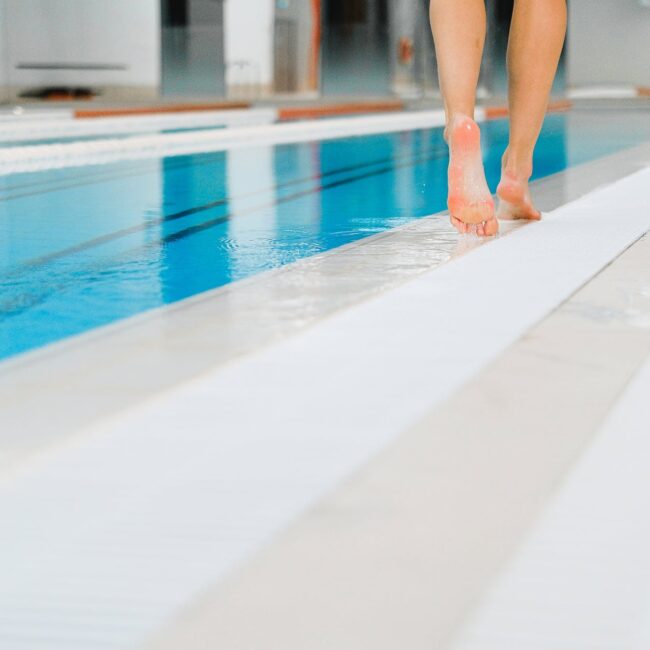
  • swimming pool surrounds
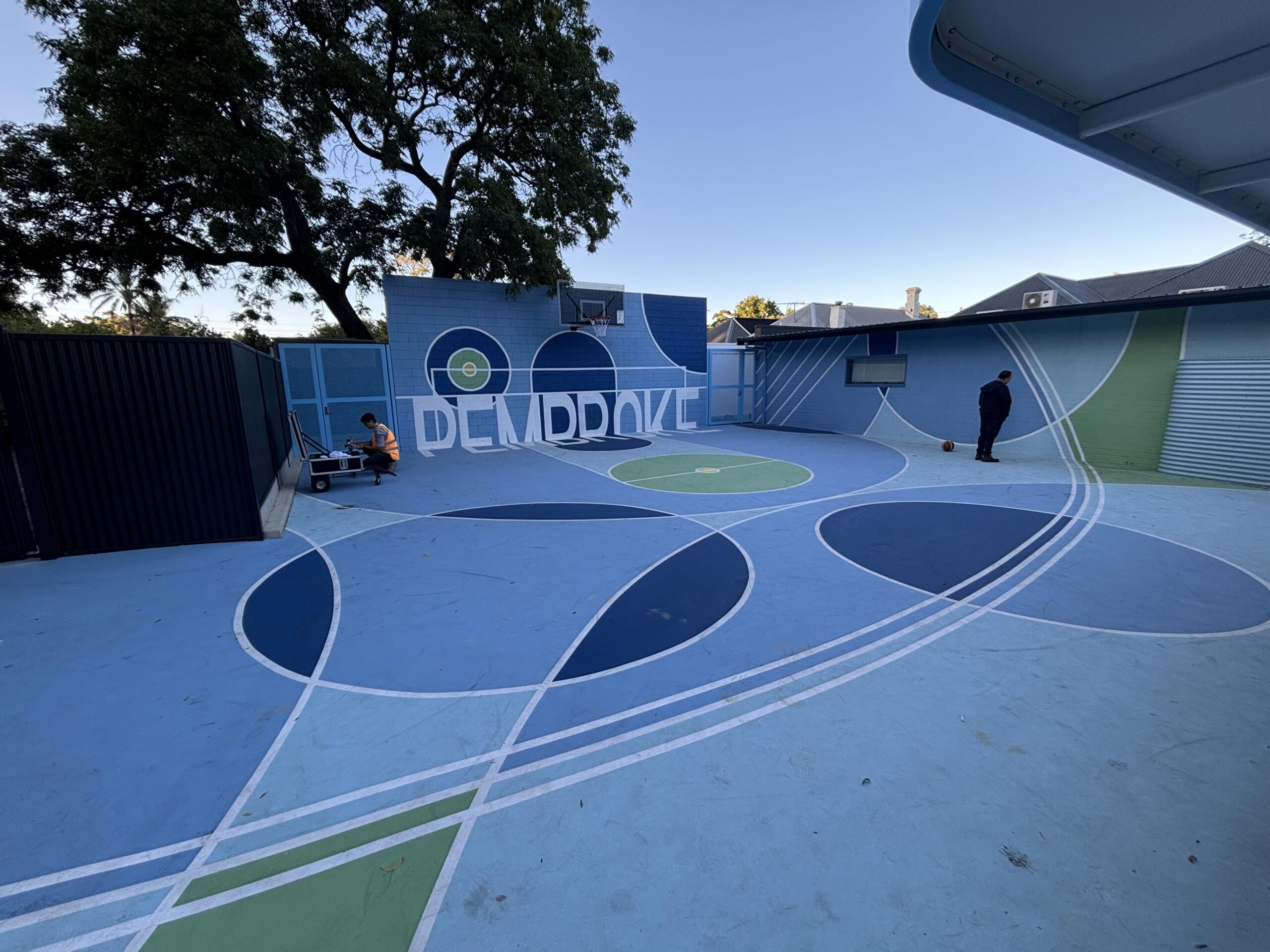
  • sports court surfaces (indoor & outdoor)
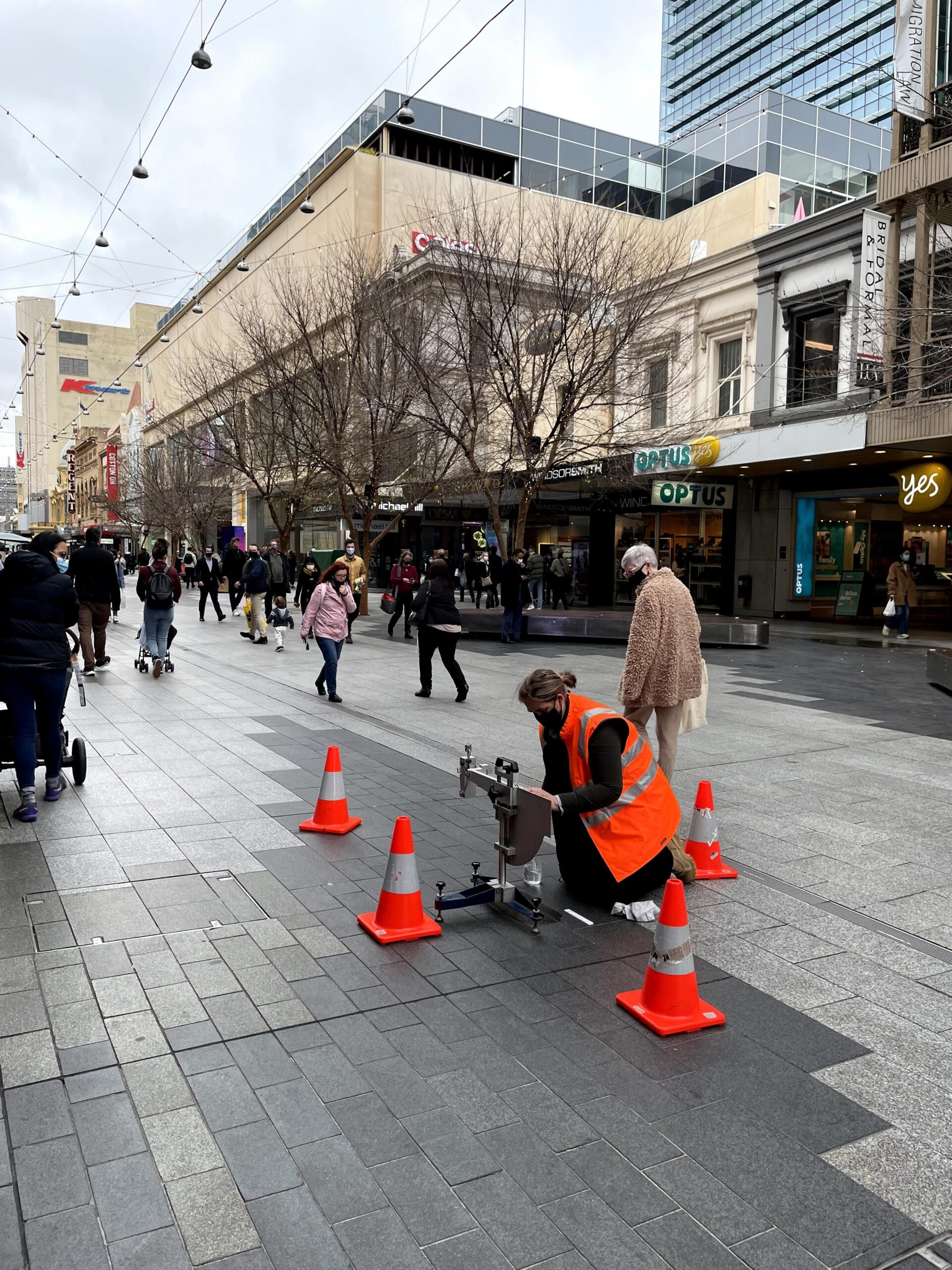
  • shopping malls
  • hotel, office & school buildings (internal & external)
  • public toilet, shower & changeroom facilities
  • walkways & footpaths
  • roads, driveways, carparks & line-marking (skid resistance also available)
  • loading docks
  • commercial kitchens
  • laminate, hardwood, decking & vinyl surfaces
  • hospitals & aged care facilities
  • food court & fast food areas
  • residential & commercial
  • undercover concourses (e.g sports stadiums)
  • stairs & ramps
  • supermarkets & other shops

& any other pedestrian surfaces

What do the results mean?

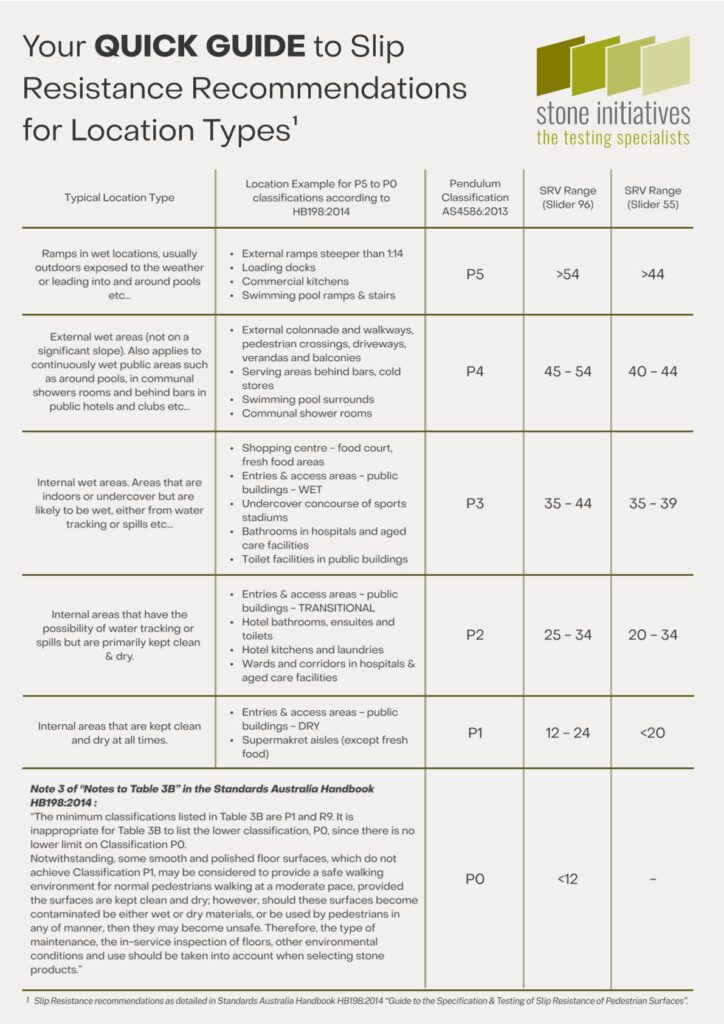
A ‘good’ slip rating depends on the surface’s location and conditions, such as wetness or slope, rather than the industry, so requirements vary between areas. The Standards Australia handbook HB198:2014 provides slip rating guidelines and recommendations for location types when testing to Appendix A Wet Pendulum Test Method within AS4586 applicable to NEW pedestrian surfaces, outlined in the table below. The handbook provides guidance to designers, specifiers, manufacturers and suppliers on the application of AS 4586.

GA guide to slip resistance recommendations for location types*

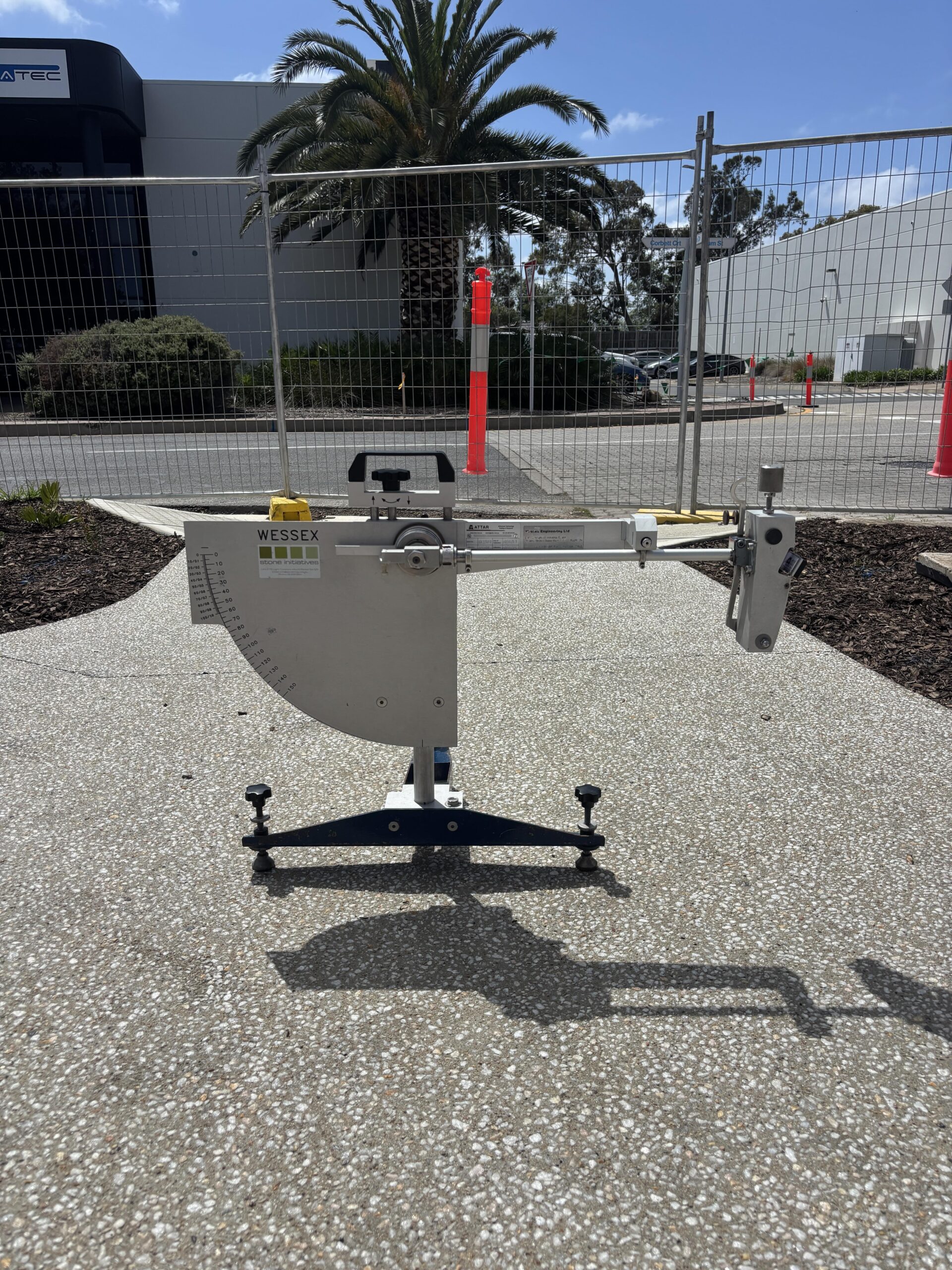
The Pendulum method measures the frictional resistance between a rubber slider mounted on the end of a pendulum arm and the test surface. The pendulum consists of an arm that rotates about a spindle attached to a vertical support pillar. At the other end of the arm is a mass (shaped like a foot) fitted with a spring-loaded rubber slider. The pendulum is locked into a horizontal position and then released so that it strikes the sample surface over a set distance with a constant velocity and energy. The pendulum continues its arc past the strike path and the height of the forward swing is determined by the energy lost due to friction when in contact with the sample surface. A pointer is pushed along by the pendulum and records the height of the swing. A reading is recorded from the scale and recorded as the British Pendulum Number (BPN). The mean BPN is calculated to give the slip resistance value (SRV).

Our Adelaide-based team can test for the slip resistance of your existing project on site in Adelaide or anywhere in Australia, or you can send surface samples to be slip tested in our NATA-accredited lab here in Adelaide. Our staff have more than 30 years of experience in determining slip resistance for tiles, flooring systems and other pedestrian surfaces. We are skilled and experienced trouble-shooters backed by a laboratory that can provide additional services related to pedestrian surface finishes – this makes solving problems and minimising risk in your project quicker, easier and stress free. See more reasons here.

*Same-day testing is available for Adelaide-based projects, subject to availability, Call-out fees may apply.

LEARN MORE

Frequently asked questions

How much of a sample do you require for slip resistance testing before installation (in-lab testing)?

We usually require a minimum 5 pieces or tiles that are no smaller than 100mm x 150mm in area size for the wet pendulum test method. If you have a limited amount of sample and they are larger format, it is still possible to complete a test on your sample. In this case, please contact us for further information about sample requirements.

Are the slip resistance tests different for wet areas (such as a bathroom) and dry areas (such as a lobby)?

For a dry area such as an office lobby or shopping mall, we can complete both wet pendulum testing and dry slip resistance testing, to ensure that the surface meets the relevant requirements in both dry and wet scenarios (such as a spilled drink on a floor that would usually be dry). For a wet area such as a public bathroom, we would generally only need to carry out wet pendulum testing. See our slip resistance testing page for more information or get in touch to discuss your project.

Is skid resistance the same as slip resistance?

Slip resistance and skid resistance are tested in similar ways, but skid resistance testing is more relevant to roadways where there is the use of a softer rubber, like a sneaker or a car tyre.

What is accelerated wear testing?

Accelerated wear testing involves testing a surface to see how it will perform after a certain number of cycles (or scrubs) of wear. There is no set number of cycles that equates to a certain amount of real-life traffic, but a common gauge for a high traffic area is 500 cycles. If a surface still meets its slip resistance requirements after the 500 cycles carried out in an accelerated wear test, this indicates that the slip resistance of the surface has longevity.

Determining slip resistance after accelerated wear is becoming a critical part of testing programs, especially with so many new developments using stone flooring. Stone Initiatives performs standard accelerated wear testing to method SI-AWT:2016 that incorporates AS4586:2013 and is recognised by NATA.

What is an R-rating?

An R-rating is a classification achieved from an oil ramp test, which we don’t undertake at Stone Initiatives. Our slip resistance testing includes wet pendulum testing (which gives a P-rating) and dry slip resistance testing (which gives a D classification). The Standards Australia handbook (HB198:14) states a requirement for pendulum or ramp testing and these can be considered interchangeable. It’s also worth noting that ramp testing can’t be performed on site, making pendulum testing a more versatile test. An R-rating isn’t always required – chat with us about your slip resistance testing requirements.

What kind of information does a typical slip resistance test report tell us?

Our reports outline the slip resistance rating, and if it’s a new surface we give it a classification. We also provide useful comments on what the results mean – for example, what the ratings and classifications mean in terms of suitability for use on a proposed project. Our reports are more than just a list of numbers!

If you have additional questions about slip resistance testing after reading these FAQs, or if you’d like to organise a quote for your project, visit our contact page to get in touch.

TECHNICAL ARTICLES

Read More About Slip Resistance Testing

Keyword suggestion: Building, Residence